To content

Presentation of the Teaching Innovation Award 2025/2026

The student representatives of the Committee for Improving the Quality of Teaching have announced the winners of the Teaching Innovation Award 2025/2026 in the categories "Practical Relevance", "Internationalization" and "E-Learning". The awards went to:
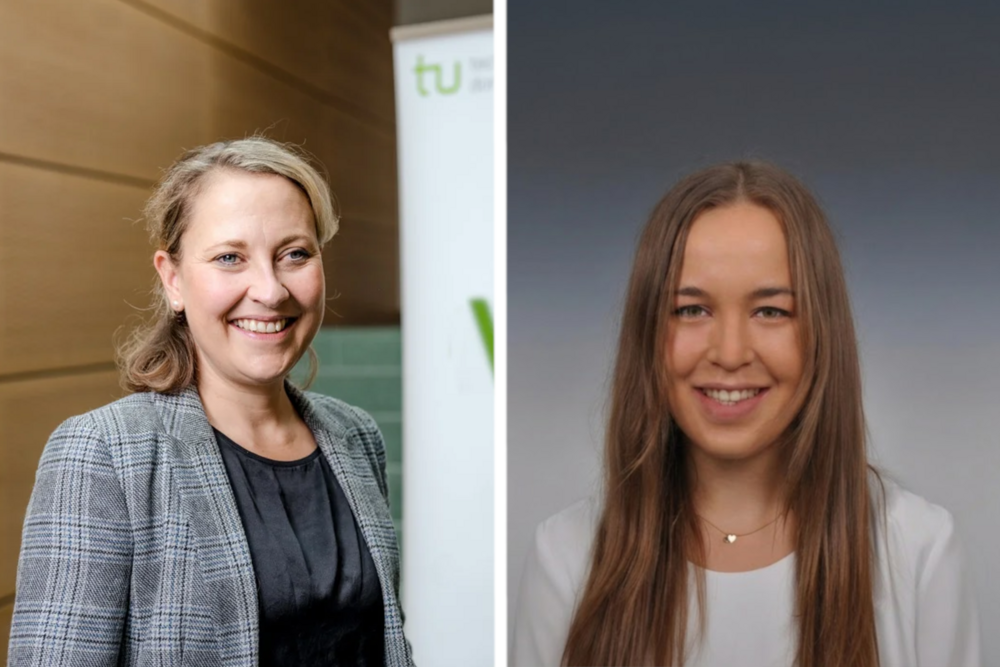

In the category of Practical Relevance: Prof. Dr. Christiane Pott and M.Sc. Joana Becker for the Bachelor's course "Bilanzierung". The course teaches financial accounting as a central tool for corporate financial reporting and fosters a profound understanding of the accounting treatment of business transactions. Particular emphasis is placed on the practical application of accounting methods to company-specific issues, as well as the critical examination of recognition and measurement criteria. Supplementary guest lectures provide additional insights into current topics and the demands of professional practice.
In the category of Internationalization: Prof. Dr. Tessa Flatten, M.Sc. Gabriel Bliß, and M.Sc. Ada Deichmann for the Master's seminar "Design Thinking". The English-taught course combines Design Thinking with an international case study in collaboration with the Indian partner organization "Hamari Laado," which is dedicated to the empowerment of girls in rural areas. Guided by the Design Thinking process, international and multidisciplinary student teams develop practical solutions while engaging in direct exchange with the partner. This project-based work particularly fosters intercultural collaboration alongside analytical and creative skills.
In the category of E-Learning: Dr. Frank Fischer for the Bachelor's course "Information Management". The course stands out through its modern and practical approach to teaching SQL and Excel skills. Particularly noteworthy is the newly developed practice platform, which enables effective and independent learning through high security, improved usability, and strong performance. With over 42,000 executed SQL queries, the platform is heavily utilized by the students. The hybrid teaching format, featuring parallel Zoom participation alongside permanently available recordings of lectures and exercises, further supports flexible learning. Sample solutions, tutorials, and supplementary materials foster an in-depth understanding of the course content.

The faculty congratulates the winners and encourages all faculty members to bring suitable courses to the attention of the QVM Commission for the Teaching Innovation Award 2026/2027. Suggestions and applications can be submitted by email to the chairperson of the QVM Commission.